Recycling Starts With Me, But It Cannot End With Me
2026 Clean Up & Recycle SA Week - "It Starts With Me"
Every September, thousands of South Africans take part in clean ups across the country. They pick up litter from beaches, rivers, streets and neighbourhoods. At home, many more separate bottles, containers and other recyclables from their general waste. These actions can seem small against the scale of South Africa’s waste problem. But they matter.
That is the thinking behind this year’s Clean Up & Recycle SA Week theme, “It Starts With Me”. It is a simple but important reminder that each of us has a responsibility for what happens to the waste we create.
But while recycling may start with individual action, it cannot end there. Much of the conversation about recycling tends to focus on what happens at the bin. Did we separate our waste? Did we put the bottle in the right place?
Those decisions are important, but they are only the first step. Once a bottle is put aside for recycling, it still needs to be collected, transported, sorted and processed before it can become raw material for another product. Whether that happens depends on what comes next.
This is particularly relevant in South Africa, where around 34% of households still do not have access to municipal waste collection. We cannot ask people to recycle more without also confronting the practical barriers that make it difficult for them to do so.
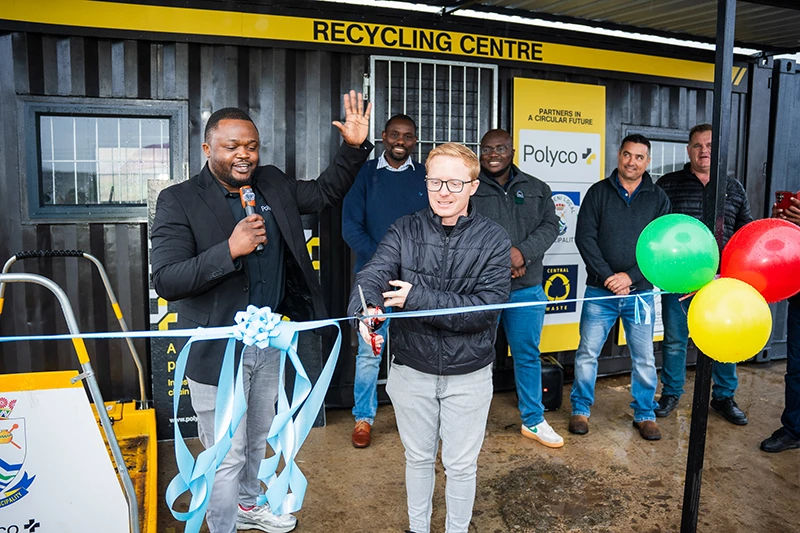
In many townships and underserved communities, people collect recyclable material but have no economical way of travelling long distances to sell it. One way of addressing this is to take the collection point to the community instead.
Through Polyco’s Packa-Ching mobile collection project, which brings paid, formalised recycling collection directly into communities, more than R57 million has been paid to individual collectors across the country, while more than 45 million kilograms of recyclable material has been diverted from landfill and the environment. In 2025, over 8650 waste reclaimers were registered and paid for their service.
What this shows is clear. People are more likely to participate in recycling when it is accessible and when the material they collect has an economic value. But getting material collected is only part of the challenge.
Transport is one of the biggest costs in recycling. Material needs to be gathered and compacted close enough to where it is collected to make moving it economical. Recycling businesses need the machinery and capacity to process it. And there ultimately needs to be a market for the recycled material they produce.
This is why recycling cannot be viewed as a single act that begins and ends when someone puts a bottle into the correct bin. There is an entire system that needs to work after that bottle leaves the consumer’s hands.
South Africa’s Extended Producer Responsibility (EPR) policy framework has helped to strengthen that process. Since 2021, the regulatory framework has placed obligations on producers in relation to the packaging they place on the market and its end-of-life management. Producer Responsibility Organisations (PROs) support producers in meeting these obligations by investing in systems and interventions that increase the collection and recycling of packaging. These contributions support collection, recycling infrastructure, enterprise development and other interventions needed to recover more material.
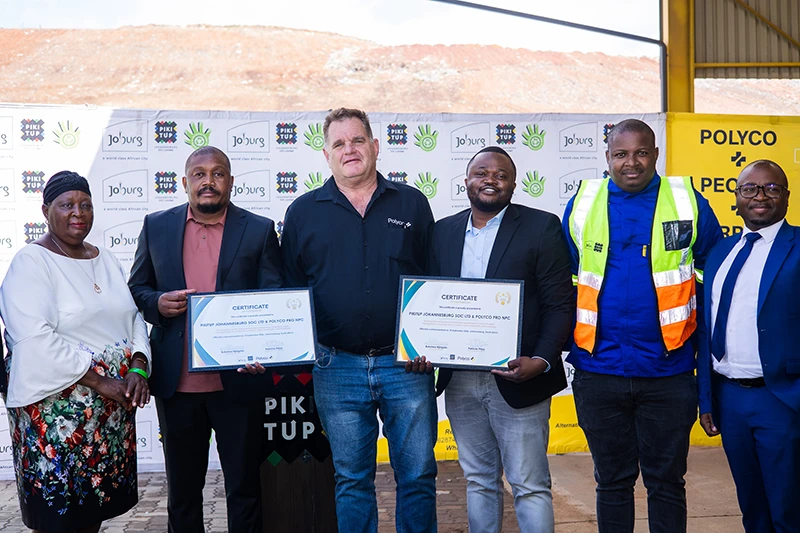
There has been meaningful progress. In 2025, more than 330,000 tonnes of plastic packaging were diverted from landfill and the environment through Polyco’s network, while 8,650 waste reclaimers were registered and paid through formal systems.
However, while there has been real progress since EPR was introduced, stubborn gaps still exist. Municipal capacity varies enormously nationwide. Some packaging streams remain difficult or uneconomical to recycle. Recycled material must compete with virgin plastic in volatile global commodity markets. And recovering more material serves little purpose without enough demand for the recycled output.
That last point is particularly important. A circular economy is not one in which we simply collect more. It is one in which the material we collect finds its way back into productive use.
We need to make it easier for waste reclaimers and small recycling businesses to earn a sustainable living from the material they recover. We need to find solutions for packaging that remains difficult to recycle.
And we need businesses to play their part by creating demand for recycled material and incorporating it into the products and packaging they manufacture. In other words, the success of recycling cannot be measured only by how much we collect. We also need to ask what happens to that material next.
This requires shared responsibility.
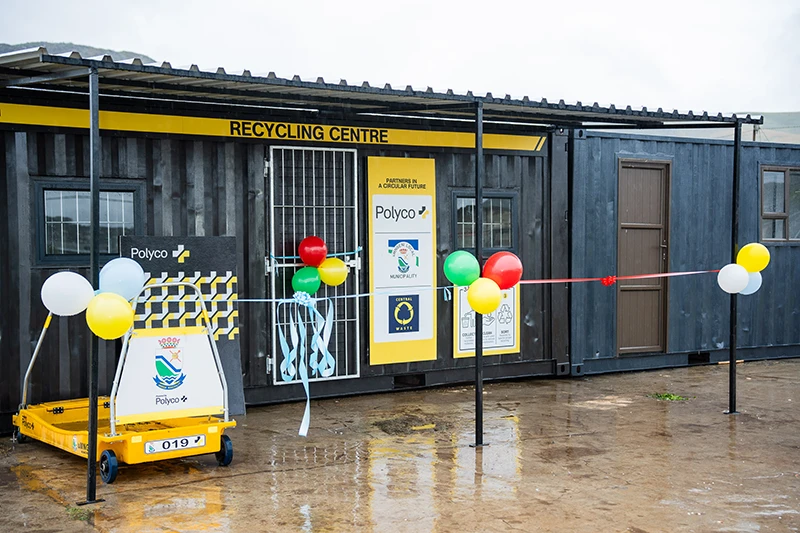
Consumers have a role to play by separating recyclable material and keeping it out of general waste. Communities can support local collection and clean-up initiatives. Waste reclaimers and recycling businesses are essential to recovering and processing material. Producers have a responsibility to support the systems needed to manage the packaging they place on the market. And manufacturers and brand owners can help close the loop by creating demand for recycled material and designing products and packaging with their next life in mind.
None of this diminishes individual responsibility. The bottle we separate at home still matters. Without material entering the recycling stream in the first place, there is nothing to recover. But individual action only delivers its full value when there is functioning system to take that material from collection through processing and back into productive use.
“It Starts With Me” is therefore right place to begin. But Clean Up & Recycle SA Week is also an opportunity to think beyond the bin and recognise the shared responsibility required to keep materials in circulation.
Recycling may start with each of us. Making it work is something we have to do together.
For more information please view the Polyco PRO NPC Listing: